Porsche 993 Recommissioning Part 1


An old friend, back to life
Recommissioning Ravi’s Porsche 993 Carrera · Part 1
In the workshop now · Engine running · Roadworthiness work next
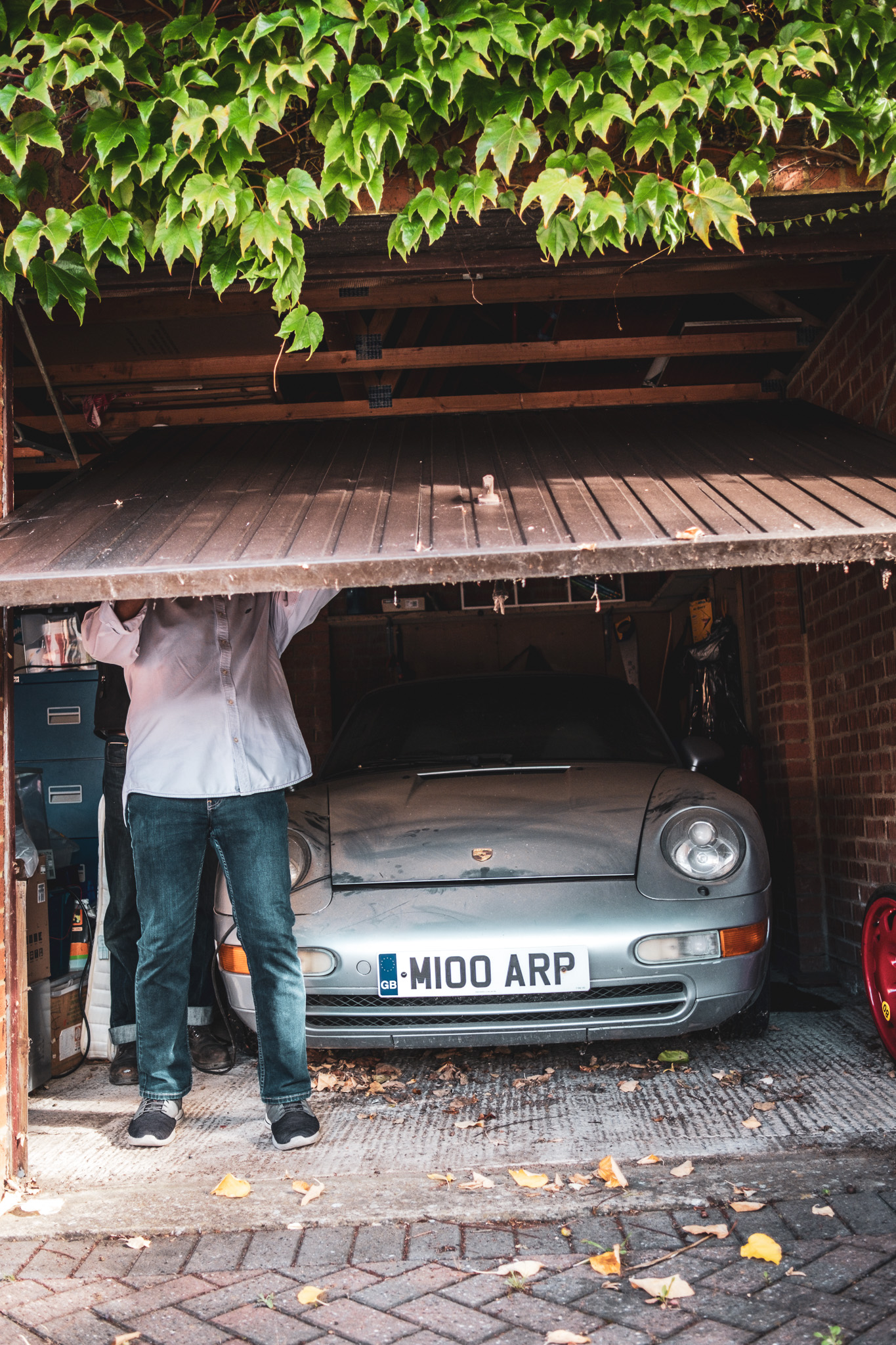
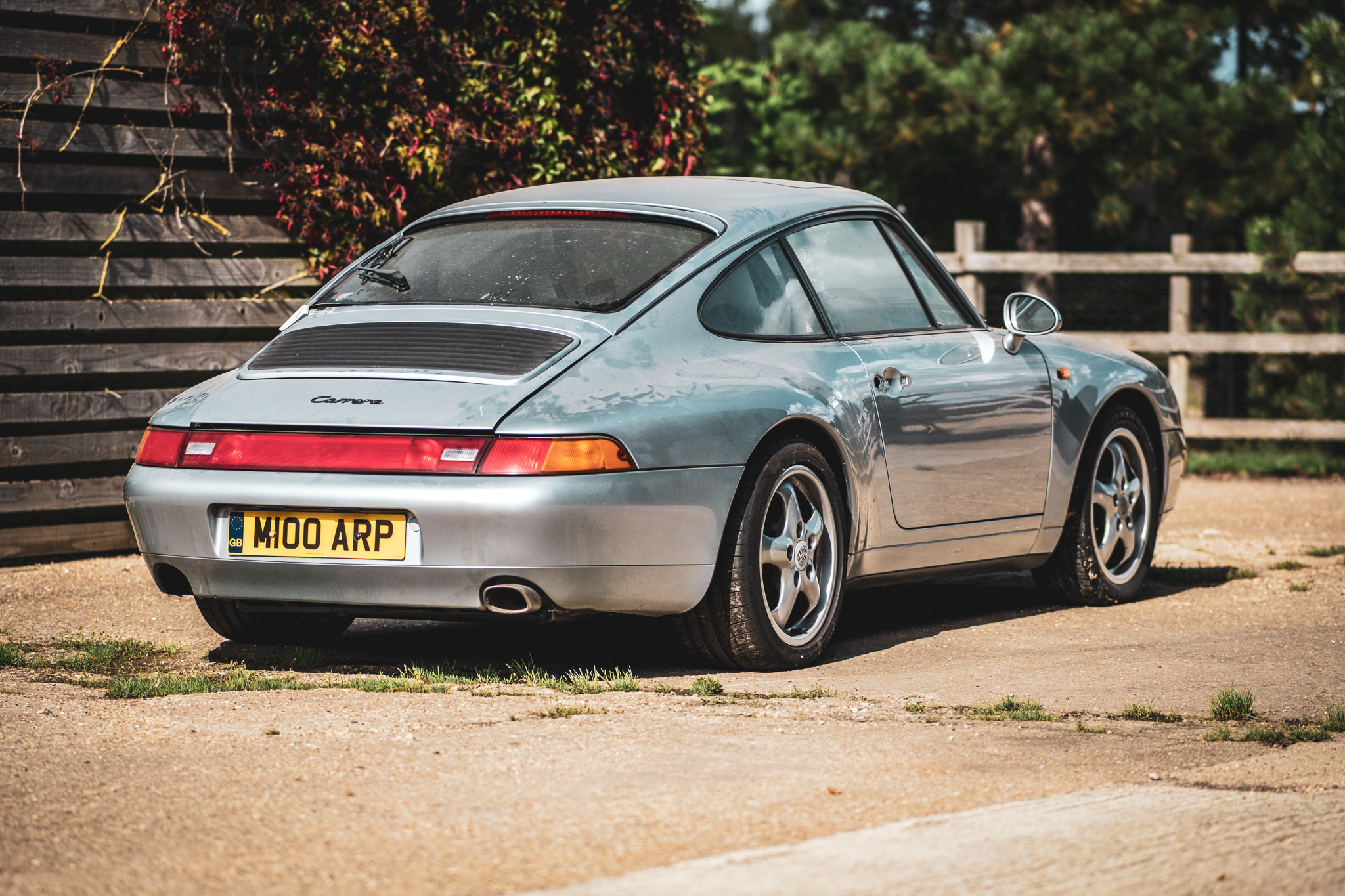
When we opened Ravi’s ivy-framed garage, his silver 1996 Porsche 993 Carrera 2 manual was still where he’d left it more than eight years earlier. Dust covered the bonnet and dry leaves had gathered around the front wheels. Before life got busy, it was the car Ravi used for everything. As Ravi put it, “This old friend was a fun and faithful workhorse equally happy doing school runs and shopping as Le Mans weekends and many many wonderful road trips.”
Ravi entrusted Alfie with getting the Porsche back on the road. Alfie runs the workshop at Auto Classica Works and trained through the Heritage Skills Academy. We brought the car to the workshop on a transporter, and we’ve since reached the moment we were all waiting for: the flat-six has fired up for the first time in more than eight years.
What it took to get the engine running
Alfie logged the initial inspection on 1 October, with photographs of the brakes, suspension and underside. There was plenty to work through, but the engine was the first priority. Before we could plan the rest of the job with Ravi, Alfie needed to establish whether there were signs that it would need major work before it could run again.
In his 20 October update, Alfie recorded removing the six lower spark plugs, oiling each cylinder bore and slowly turning the engine over by hand several times. The bores are the surfaces the pistons travel against. Oiling them provided some initial lubrication, and turning the engine by hand let Alfie feel how freely it moved before using the starter.
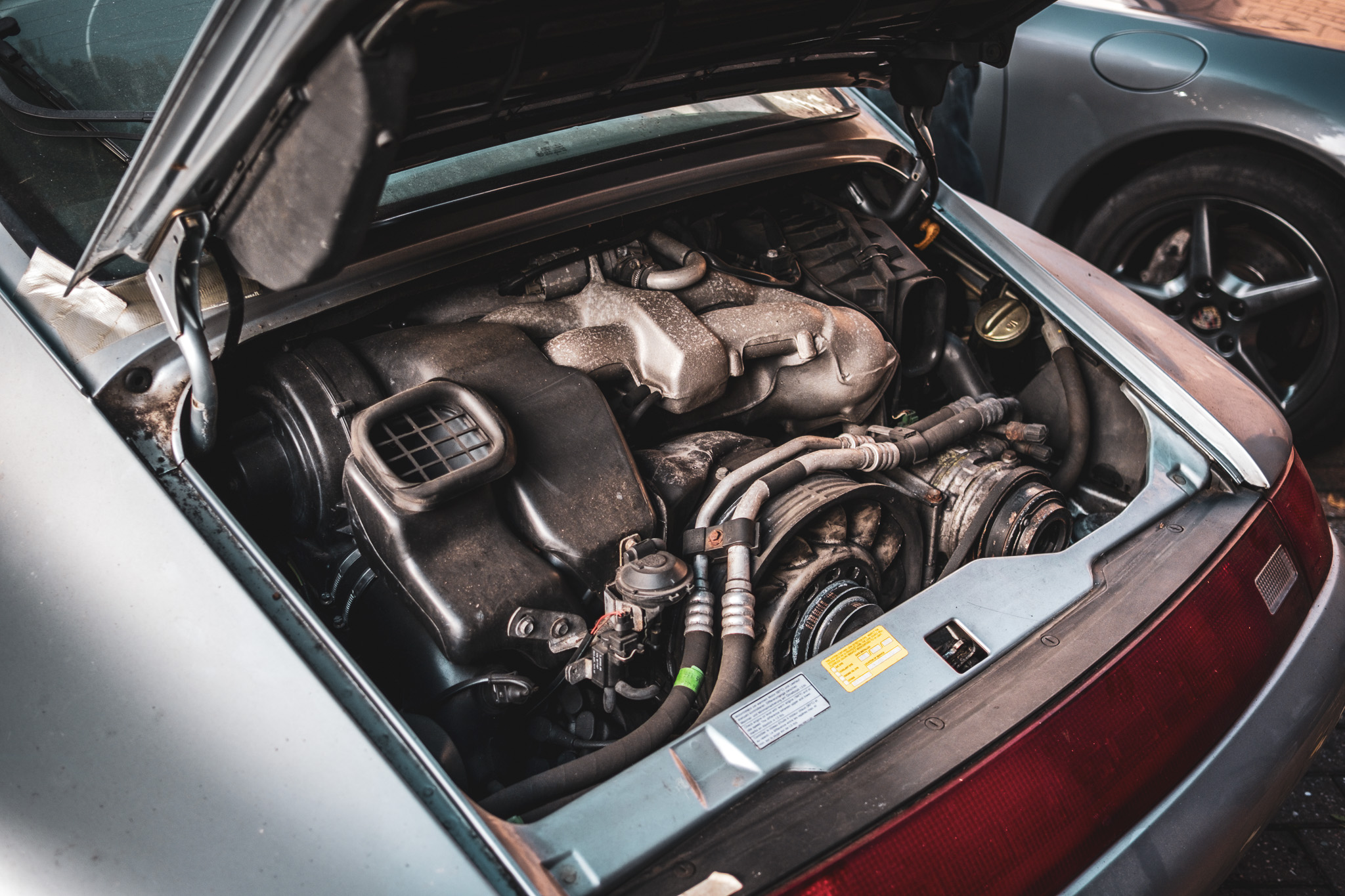
Alfie removed the old fuel filter, drained the stale fuel and inspected the fuel and oil lines. Before the first start, he also topped up the oil, added fresh fuel and cranked the engine with the ignition disabled to build oil pressure. That let the oil pump circulate oil before the engine fired. Once Alfie was satisfied with those checks, he installed the lower spark plugs and started the engine. He let it come up to temperature, then checked the oil level again.
With the first run complete, attention could turn to what the car needed for the road. The timeline records the smaller jobs, too. The driver’s door wouldn’t shut properly, and Alfie traced the fault to a seized handle mechanism. He removed the interior door trim and handle, cleaned and lubricated the mechanism, and fitted new handle seals during reassembly.
We record these updates in our online workshop system, where Ravi can see the same dated notes, photos and short videos we use to track the job. He can follow and comment on what Alfie finds and see what’s been done as the work progresses.
What needs doing before the first drive?
The next phase is to assess the braking system and overhaul it where needed. Alfie will check the rigid brake pipes, flexible brake hoses and other rubber hoses that may have deteriorated in storage.
We’ll also review the service history for items that may have been missed, including the distributor drive belt. This small belt drives the second rotor in the ignition distributor, which directs the spark to the engine’s second set of plugs.
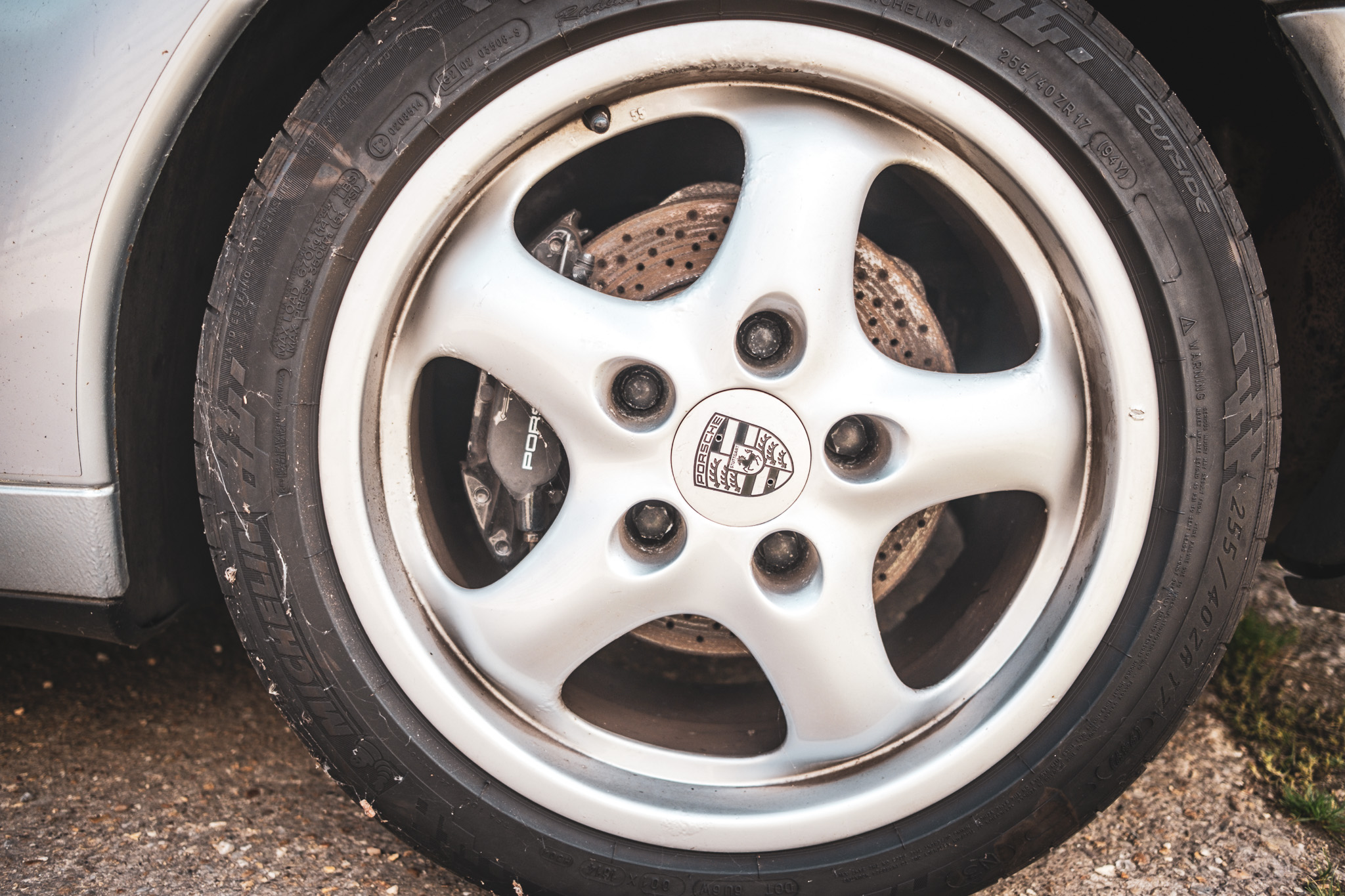
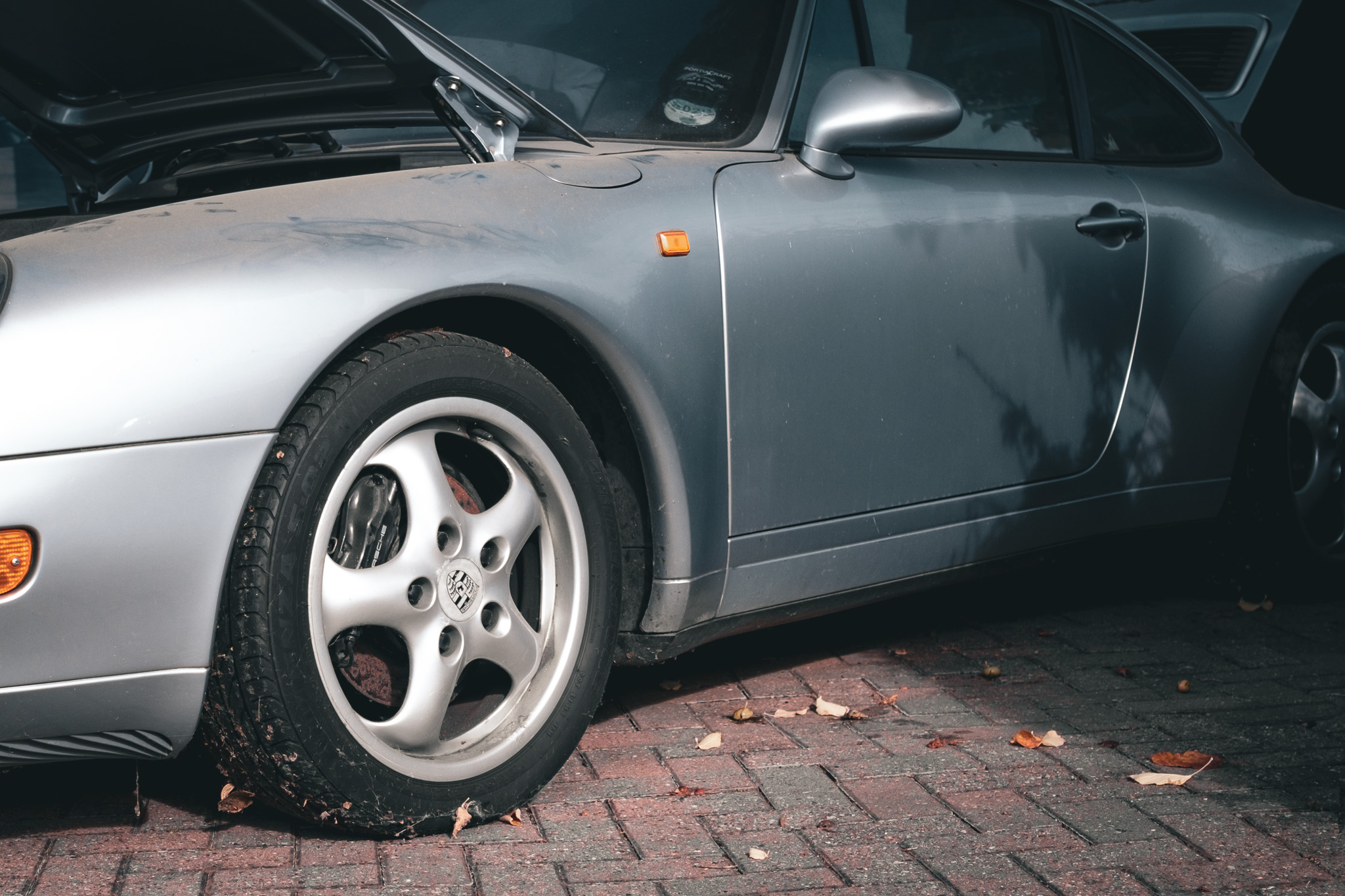
Ravi’s tyres are visibly cracked and more than ten years old, so we’ll replace them before the first road test. The alloy wheels have their own issues. The finish is cracking and blistering, and brake dust has baked into the paint. With the old tyres coming off anyway, we’ll price refurbishing the bare wheels and check the turnaround before the new tyres go on.
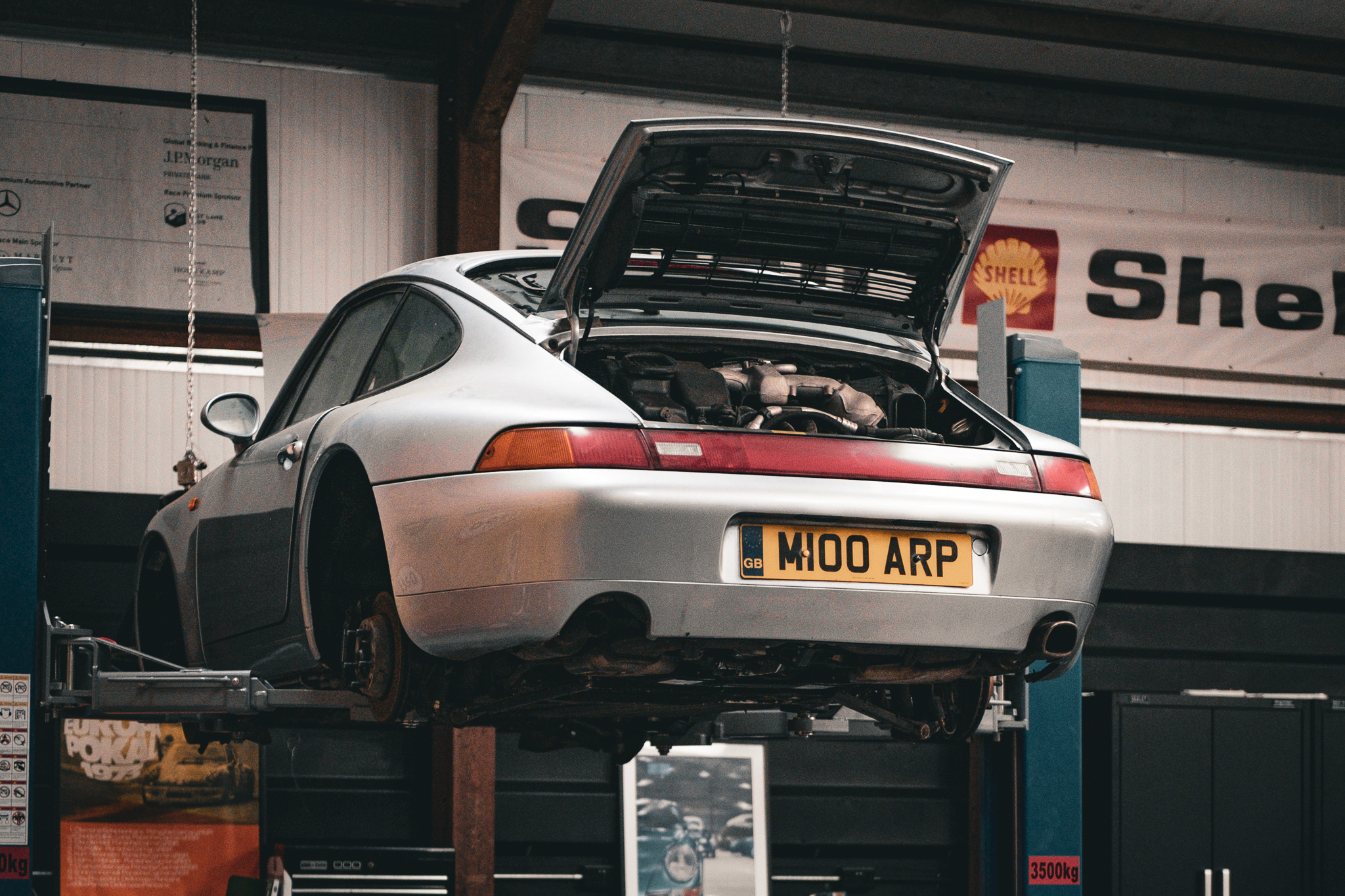
With the wheels off, we’ll also take a closer look at the wheel arches and underside. The car has an older wax-based rustproofing treatment that’s due for renewal. We’ll assess what preparation is needed before applying fresh protection and discuss when that work makes sense.
There’s a similar decision on the brake calipers. These are the parts that press the pads against the discs. Alfie will assess what the calipers need mechanically. The flaking paint and deteriorated Porsche lettering are a separate question for Ravi. If the calipers need to come off for brake work, we can price refinishing while they’re already off the car and let him decide whether it fits this phase.
We can also revisit the finish during the final detailing phase, when we look at correcting and protecting the bodywork paint.
It’s a sizeable job, and working in phases lets Ravi make decisions as we find out more. The tyres and brakes belong in the roadworthiness work. For the wheel finish and underside protection, we’ll look at what makes sense to tackle now and what can wait. We’ll take the same approach as we work through the rest of the car.
How we manage workshop projects at Works
• Inspection. We record the car’s condition, review the history available and ask the owner how they want to use it.
• Diagnosis. We investigate what the inspection turns up and decide what needs attention first. On Ravi’s 993, that meant checking the engine before committing to the wider job.
• Phased workshop work. We agree the scope, estimated cost and likely timescale for each phase. If a new finding changes the plan, we explain what it means and agree the next step with the owner.
• Road testing. Once the car is ready, we drive it, assess how it behaves and follow up on anything the test brings to light.
• Client handover. We walk the owner through what we’ve done, what we found on the road test and anything to keep an eye on once they’re driving again.
In Part 2, we’ll report what Alfie finds as he works through the brakes, pipes and hoses, and what Ravi decides about the wheels and calipers. For a car that once took him everywhere from the shops to Le Mans, the next milestone is a first drive.
Also lining up at Works
Ravi’s 993 is the first project we’re following here. Two more show both sides of what we do: preparing a car for an event, and bringing one back after years of standing.
A Porsche 924S with many rally miles behind it. We’re preparing it for its next historic rally, in Monaco, including fitting a factory-specification power steering system.
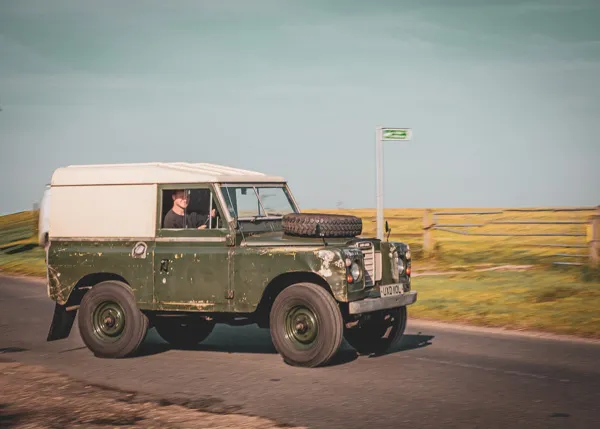
A Land Rover 90 its owner learnt to drive in. It was his first car in the early ’90s and has been standing for over a decade. We’re working on what it will take to get it back on the road, and which parts need restoring along the way.
More on both those projects and others in the near future.
Is your classic a good fit for Works?
At Works, we specialise in recommissioning and preparing British and German classic cars for owners who want to drive them.
Auto Classica Works grew out of Auto Classica Storage, which has looked after classic cars since 2017. Today, our heritage-trained workshop team helps owners get their cars ready for regular road use, tours in the UK and Europe, and historic events.
We start with the condition of the car and what you want to do with it, then agree the work, estimated cost and likely timescale for each phase with you.
If you have a classic that’s been standing for years, a recent purchase you’d like assessed, or a car you’re preparing for a particular trip or event, tell us what you have, what you know (or would like to know) about its history and how you’d like to use it.
If there’s a date you’re working towards, let us know. We can talk through what an initial inspection would cover and where it makes sense to start.