How We Manage Classic Car Workshop Projects


A methodical approach, with the owner involved throughout.
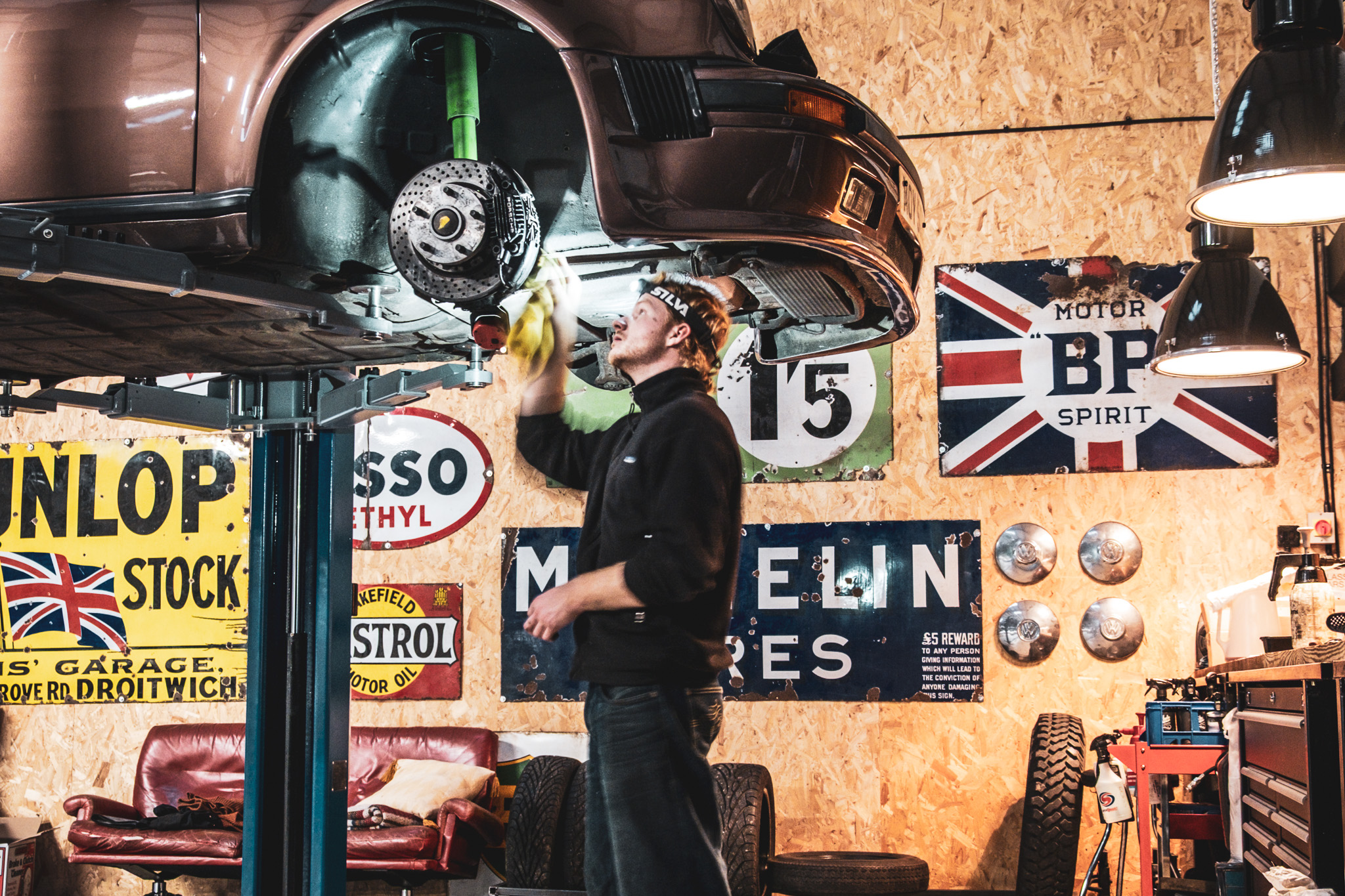
Working on older cars isn't always straightforward. A car that's been standing for years may have obvious problems, but others only become apparent once we start investigating. Even a well-maintained classic can reveal something unexpected when it's up on the ramp.
That's part of working with machinery that's often several decades old.
At Auto Classica Works, we don't pretend to have all the answers before we've inspected the car. Instead, we follow a structured approach that allows us to investigate, establish priorities and agree the work with the owner as the project develops.
Five Stages, From Inspection To Handover
1. Inspection — Understanding the car
We start by establishing what we have in front of us.
That means assessing the car's condition, reviewing any available service and maintenance history, and understanding what its owner wants to achieve.
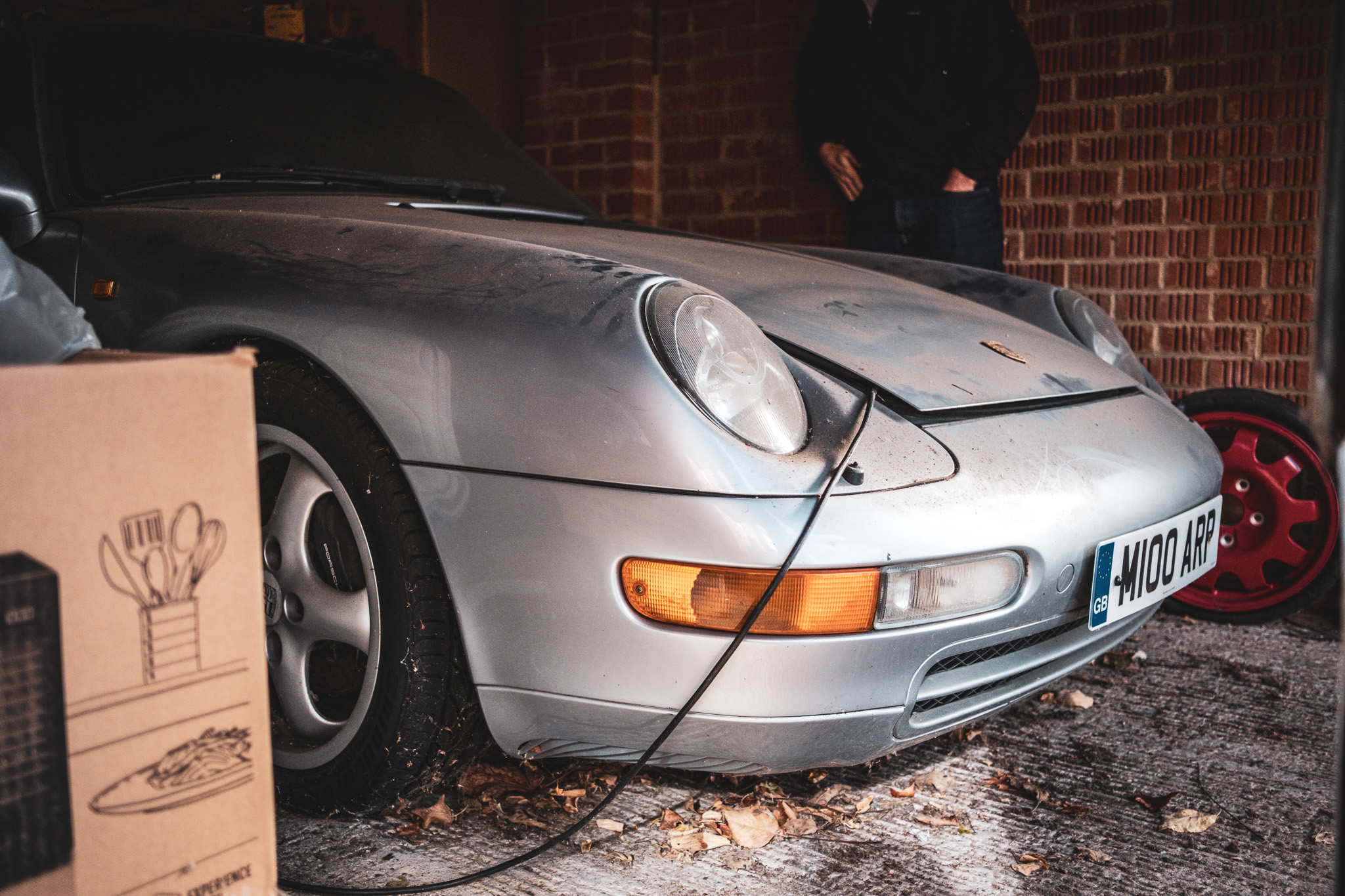
Is it a car that's been off the road for a decade or two? A recent purchase that needs a thorough once-over? Or a regularly driven classic being prepared for a European tour?
The answers help determine where we start and what deserves the most attention.
2. Diagnosis — Finding out what needs doing
The initial inspection helps us identify areas requiring further investigation.
Some faults are straightforward. Others need more time before we can establish their cause or understand the extent of the work involved.
We distinguish between things that need immediate attention, particularly where safety and reliability are concerned, and those that can sensibly wait.
Our aim is to understand the problem before recommending the solution.
3. Phased Workshop Work — Agreeing the next steps
For larger projects, we divide the work into manageable phases, agreeing the scope, estimated cost and likely timescale for each before proceeding.
This is particularly important with recommissioning, where the condition of one component may not become clear until another has been inspected or repaired.
If something unexpected comes to light, we explain what we've found, why it matters and what the options are. The owner can then make an informed decision about the next stage.
It also allows us to separate necessary mechanical work from desirable improvements. A deteriorated brake hose may need replacing before a car can safely return to the road. Refurbishing the wheels, on the other hand, may be something the owner chooses to do now, later or not at all.
4. Road Testing — Checking the results
Where appropriate, and once the car is safe and able to drive, we road-test it.
A workshop inspection can tell us a great deal, but driving the car allows us to assess how its various systems behave together.
We check the results of the work, investigate anything the road test reveals and address issues that need attention before handover.
For a car returning to the road after a long period of inactivity, this can be a particularly important stage.
5. Client Handover — Knowing what's been done
At the end of a phase or the completed job, we walk the owner through the work completed, the findings and anything worth keeping an eye on.
Where relevant, we'll also discuss recommended future work, servicing or maintenance.
We want owners to leave understanding their cars better, not simply with an invoice and a set of keys.
Following Your Project As It Develops
One of the advantages of our estimating tool and workshop management system is that owners can follow the work as it happens.
We record dated notes, photographs and short videos, documenting what we're finding and the work being carried out. Customers can view these updates through our online system and comment as the project progresses.
It's particularly useful for cars undergoing substantial recommissioning or for owners who can't easily visit the workshop.
Rather than waiting until the end of a job to discover what's been done, you're able to follow its progress and take part in the decisions along the way.
A Real Example — Recommissioning Ravi's Porsche 993
Ravi's 1996 Porsche 993 Carrera arrived at Works after more than eight years standing in his garage.
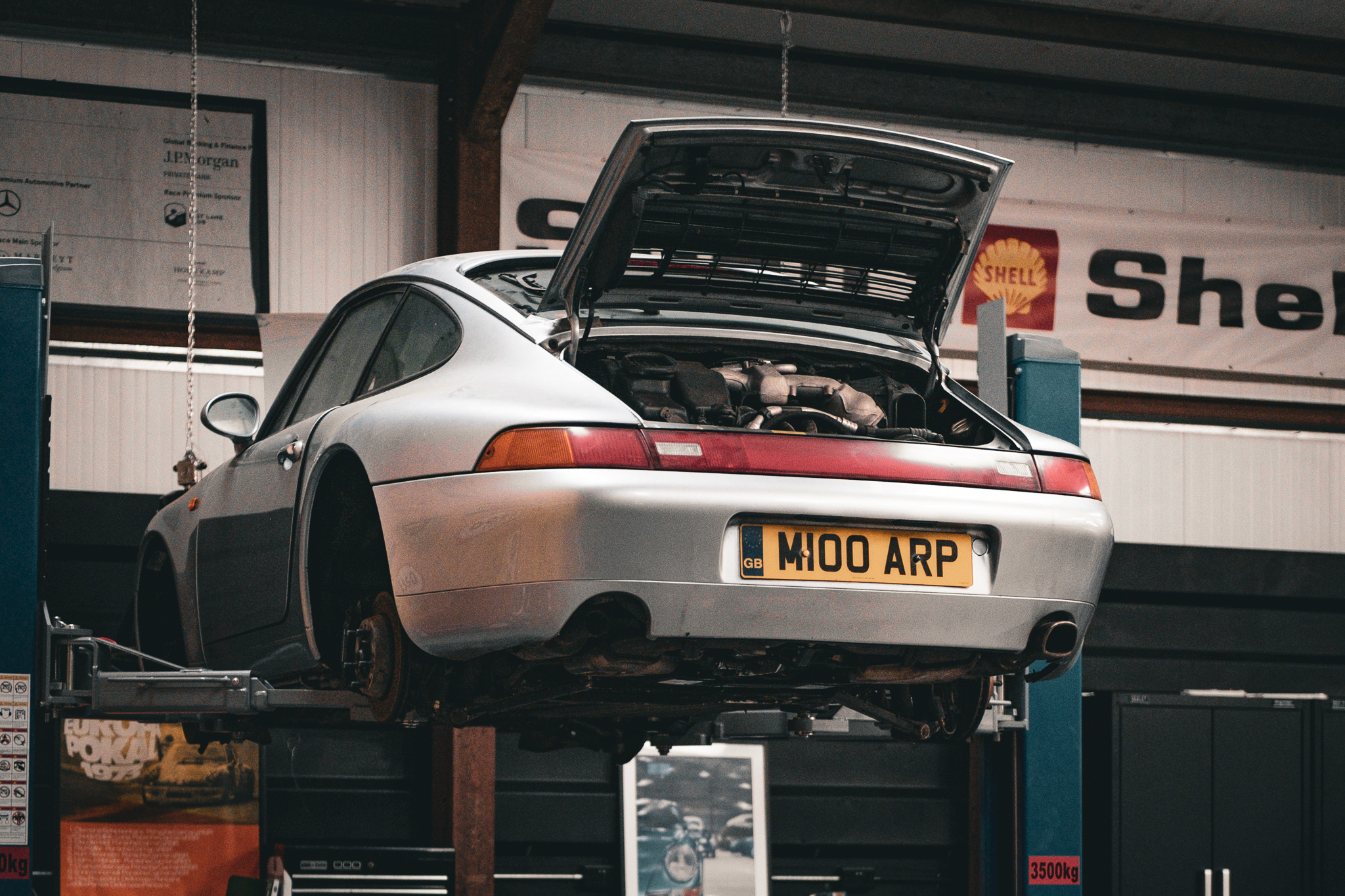
Before committing to the wider recommissioning, we needed to establish whether the engine could be safely returned to running condition. That initial investigation was the priority.
With the engine successfully running again, attention turned to the brakes, ageing tyres, hoses and other items that would need addressing before the car's first drive.
Read Part 1 of Ravi's Porsche 993 Recommissioning](https://www.carstorage.co.uk/post/porsche-993-recommissioning-part-1
Other decisions, such as refinishing the wheels or refurbishing the brake calipers cosmetically, could be considered separately.
It's a good illustration of why we work in stages: investigate first, understand the priorities and involve the owner as the project develops.
Does Every Job Follow This Process?
Not every car needs a lengthy programme of work. A straightforward service and a substantial recommissioning are very different things.
But the principles remain the same: understand the car, investigate the issues properly, agree the work, communicate clearly and check the results.
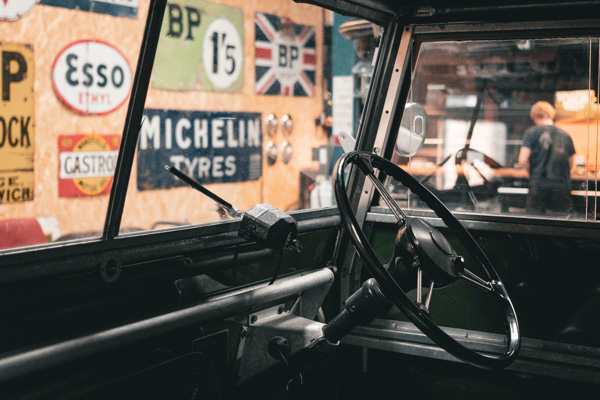
Whether we're preparing a classic Land Rover for a rally or helping a Porsche owner return a long-stored car to the road, that's the approach we aim to bring to every job.
Read - Is My Classic a Good Fit for Works?
Have a classic that needs attention?
Tell us about the car, its condition and what you'd like to achieve. We'll be happy to discuss how we'd approach it and where it makes sense to start.
Call or WhatsApp Alfie +44 (0) 7921 814246
Email: alfie@autoclassicaworks.co.uk